


Do You Need a Will, a Trust, or Both? Understanding Your Estate Planning Options
One of the most common questions people ask when beginning the estate planning process is whether they need a will, a trust, or both. While these legal tools often work together, they serve different purposes and can provide different benefits depending on your goals, assets, and family situation.
Understanding the differences between wills and trusts can help you make informed decisions about protecting your assets and providing for your loved ones.
Why Estate Planning Matters
Many people assume estate planning is only necessary for wealthy individuals. In reality, nearly everyone can benefit from having a plan in place.
Estate planning helps:
- Protect your assets
- Provide instructions for asset distribution
- Appoint decision-makers
- Minimize confusion for loved ones
- Prepare for incapacity
- Create a smoother transition for beneficiaries
Without a plan, important decisions may be left to state law rather than your personal wishes.
What Is a Will?
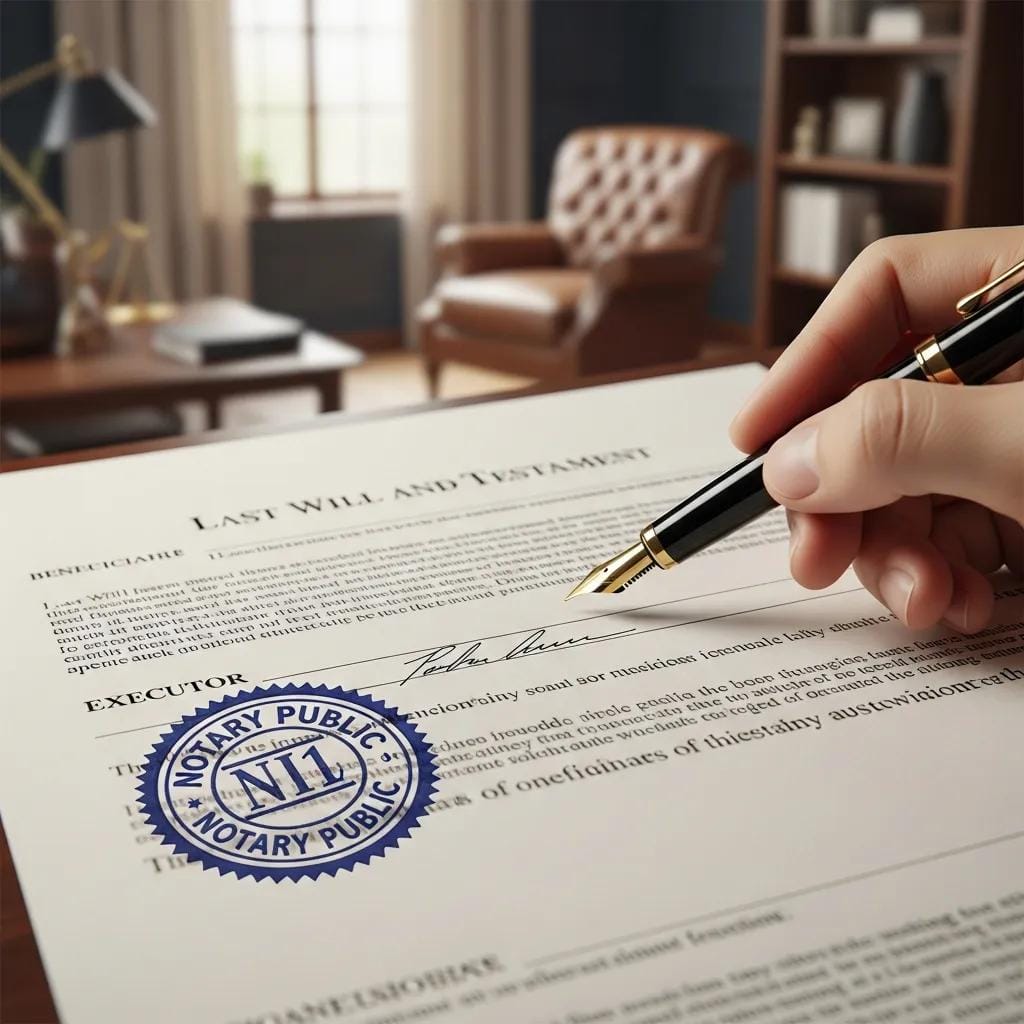
A will is a legal document that outlines how your assets should be distributed after your death.
A will may also allow you to:
- Name beneficiaries
- Appoint an executor
- Designate guardians for minor children
- Provide instructions regarding your estate
Wills remain one of the foundational tools in estate planning and are often appropriate for many individuals and families.
What Is a Living Trust?
A living trust, often called a revocable trust, is a legal arrangement that allows assets to be placed into a trust during your lifetime.
Unlike a will, a living trust can help manage assets both during life and after death.
Benefits may include:
- Avoiding probate
- Greater privacy
- Simplified asset transfers
- Continuity during incapacity
- Ongoing asset management
Living trusts are commonly used as part of a comprehensive estate plan.
How a Trust Differs From a Will
Although both documents help direct asset distribution, they operate differently.
A will:
- Takes effect after death
- Generally goes through probate
- Becomes part of the public record
A living trust:
- Functions during your lifetime
- May avoid probate
- Remains private
- Can provide management during incapacity
These differences often influence which strategy is most appropriate for a particular individual or family.
Situations Where a Will May Be Enough
Some individuals may find that a will adequately addresses their needs.
Examples may include:
- Smaller estates
- Simple asset structures
- Limited complexity in beneficiary planning
- Few concerns about probate
Every situation is unique, so legal guidance remains important when evaluating options.
Situations Where a Trust May Be Beneficial
A trust may provide additional advantages for individuals who:
- Own multiple properties
- Have blended families
- Value privacy
- Want to avoid probate
- Have minor children
- Have beneficiaries with special circumstances
- Desire more control over distributions
Trusts can offer flexibility that may not be available through a will alone.
Why Many Estate Plans Include Both
One common misconception is that people must choose between a will and a trust.
In reality, many comprehensive estate plans include both documents.
A trust may hold and manage assets, while a will can address assets that were not transferred into the trust and provide additional instructions regarding guardianship and estate administration.
The goal is often to create a coordinated plan rather than relying on a single document.
Common Estate Planning Mistakes
Waiting Too Long
Many people delay estate planning until retirement or later in life.
Unexpected events can happen at any age.
Assuming Estate Planning Is Only for Wealthy Families
Estate planning provides benefits regardless of estate size.
Failing to Update Documents
Major life events may require updates, including:
- Marriage
- Divorce
- Birth of children
- Death of beneficiaries
- Significant asset changes
Regular reviews help keep plans current.
Overlooking Incapacity Planning
Estate planning is not only about what happens after death.
Documents such as powers of attorney and trusts may also help address situations involving incapacity.
Questions to Ask Yourself
Before deciding whether a will, trust, or combination of both is appropriate, consider:
- What assets do I own?
- Do I want to avoid probate?
- Do I have minor children?
- How important is privacy?
- Do I own real estate in multiple states?
- Do I have beneficiaries with unique needs?
Your answers can help shape the right estate planning strategy.
How LaCava Law Firm Helps Families Build Personalized Estate Plans
LaCava Law Firm focuses on estate planning and real estate law throughout the Chicagoland area. The firm provides guidance on wills, living trusts, powers of attorney, trust administration, and other estate planning tools designed to protect families and preserve legacies.
Led by Michael LaCava, the firm works closely with clients to develop customized strategies based on their goals, assets, and family circumstances. Their approach emphasizes personalized solutions, transparency, and long-term planning.
Why a Personalized Estate Plan Matters
No two families have identical needs.
A carefully designed estate plan can help:
- Protect loved ones
- Preserve assets
- Reduce uncertainty
- Simplify administration
- Honor your wishes
The right combination of legal documents can provide peace of mind both now and in the future.
Conclusion
Choosing between a will, a trust, or both depends on your personal goals, assets, and family situation. While wills remain an essential part of many estate plans, trusts can offer additional benefits such as probate avoidance, privacy, and ongoing asset management.
Working with an experienced estate planning attorney can help you evaluate your options and create a strategy that protects your legacy while providing clarity and security for those you care about most.


